Why try a perfume sample before buying a full bottle?

A perfume sample gives you time to get to know a fragrance before choosing a larger bottle. It is a paid smaller-size product that helps compare options, rather than a guarantee that every purchase must become a favourite.
Six reasons to start with a sample
- Assess a scent in your usual surroundings.
- Compare the first impression with its later development.
- Explore a few fragrance directions without rushing.
- Check whether the application format is convenient.
- Use a smaller quantity to discover an unfamiliar scent.
- Choose a convenient travel size after checking your carrier’s liquid rules.
Spray or oil?
Choose the format you intend to wear later. Where both are offered, assess them separately: they are not automatically identical finished compositions. The actual sample size, price and availability appear on the individual product page.
A testing routine
Follow the product instructions. Compare the fragrance at first application and later, write down your impressions and try the next scent separately. We do not set one note-development schedule or guaranteed number of sprays for every product.
When is a set useful?
A discovery set is convenient for exploring several directions or giving someone a choice. Check the individual set page for its contents and price. For returns or storage, follow current conditions and product labelling rather than old article prices or a general shelf-life promise.
Find an alternative to a fragrance you love · Fragrance quiz
Explore the formats in this guide

Related articles
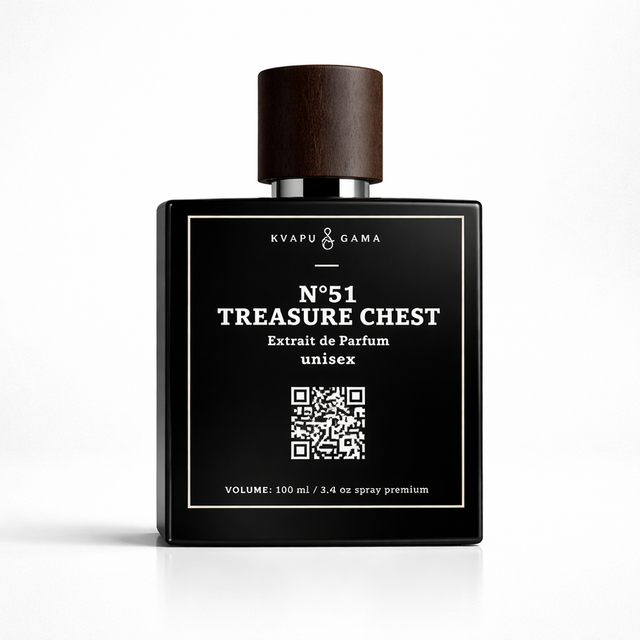
Unisex perfume: how to choose a fragrance you both want to share
You do not need to choose unisex perfume by whether the bottle looks “masculine” or “feminine”. If two people want to share a fragrance,...
Read the guide →What is Extrait de Parfum?
Explore what Extrait de Parfum means, how concentration differs from a fragrance’s character and what to check when choosing a format.
Read the guide →What is Eau de Toilette?
Learn what Eau de Toilette means and how concentration, composition and personal preference can guide your fragrance choice.
Read the guide →